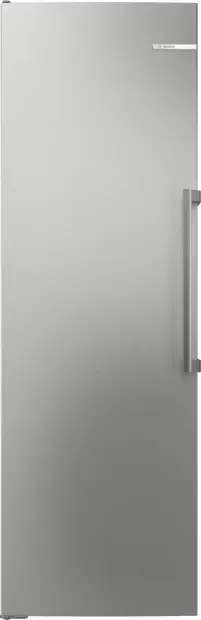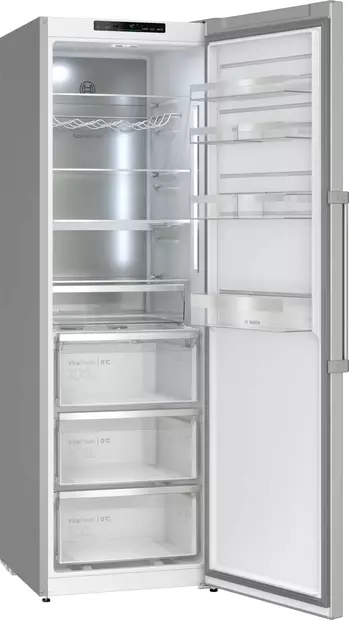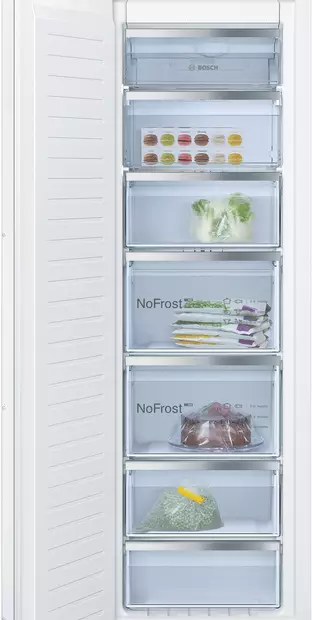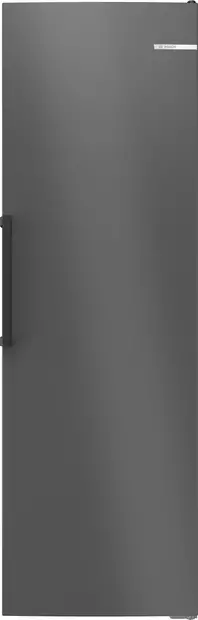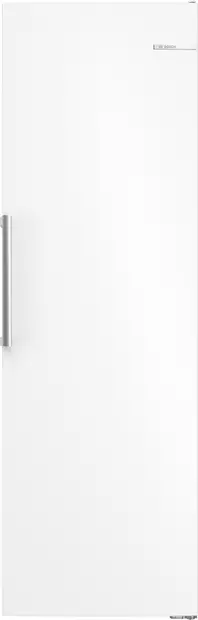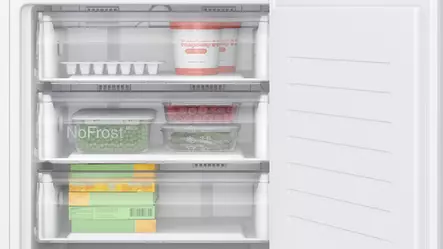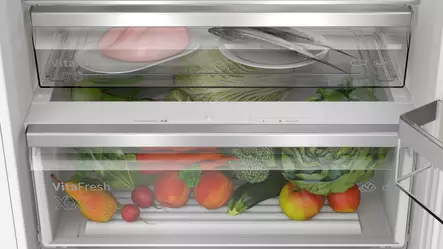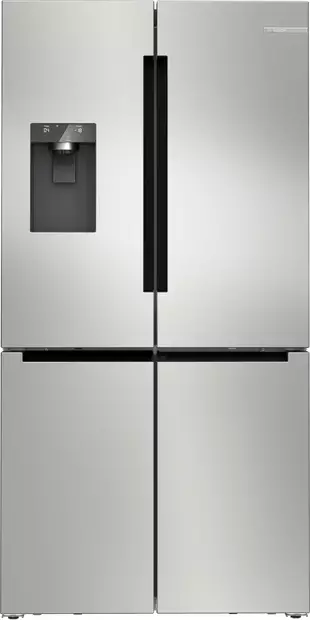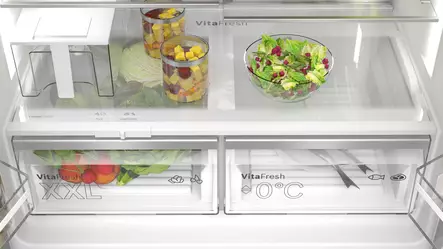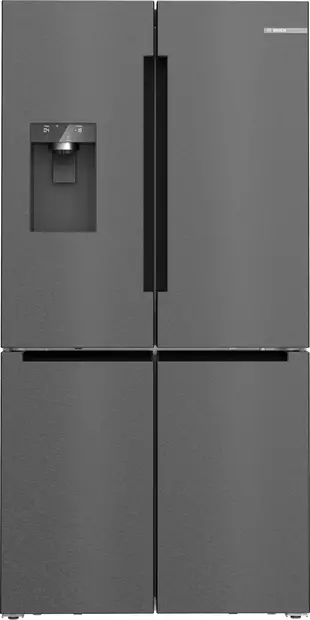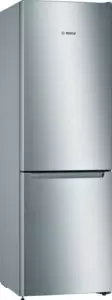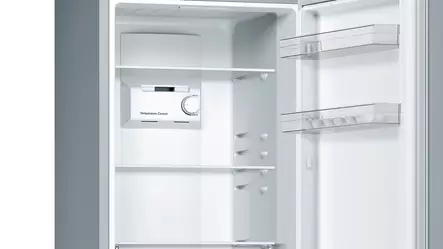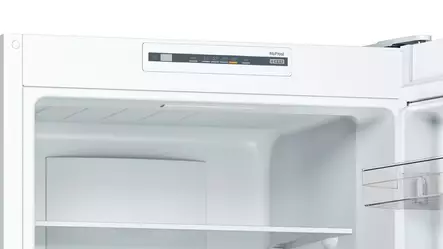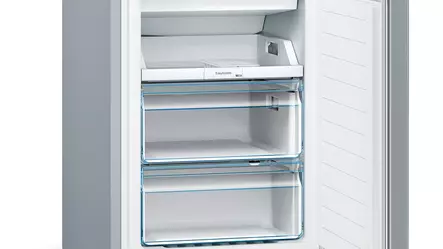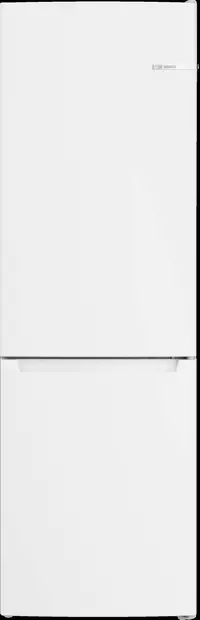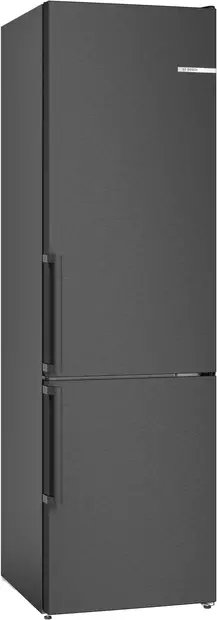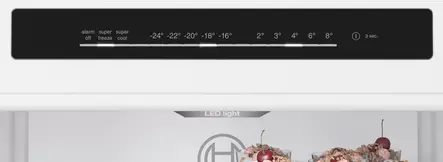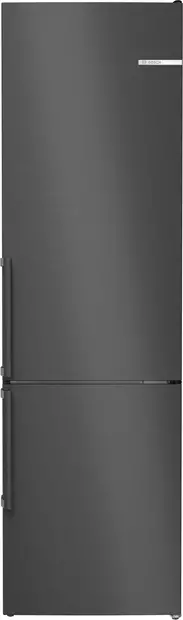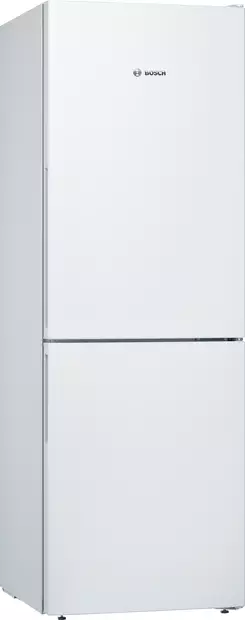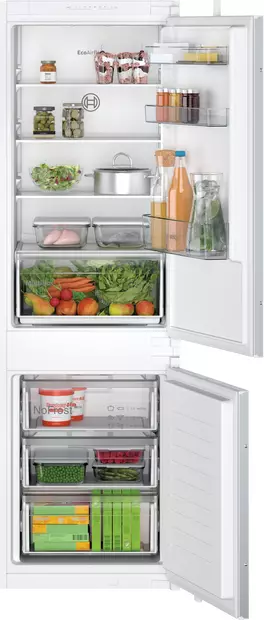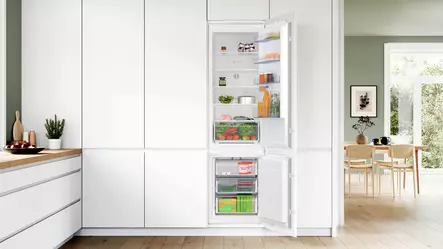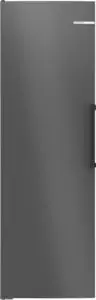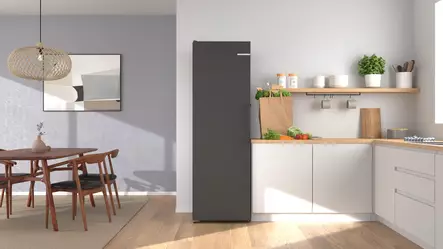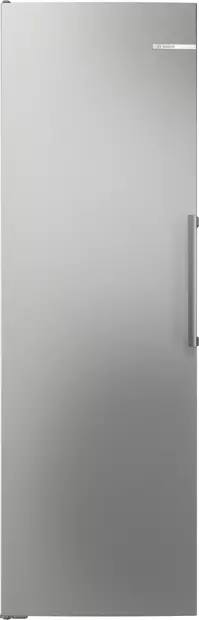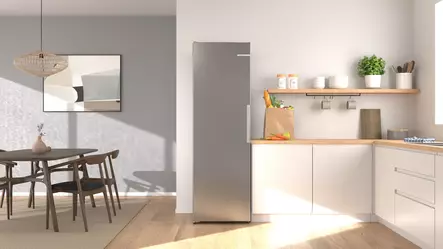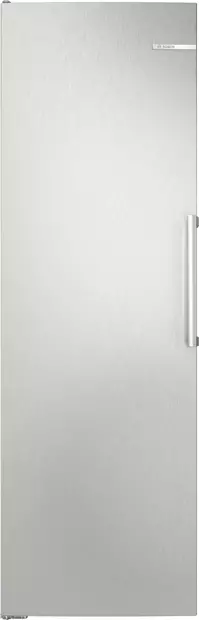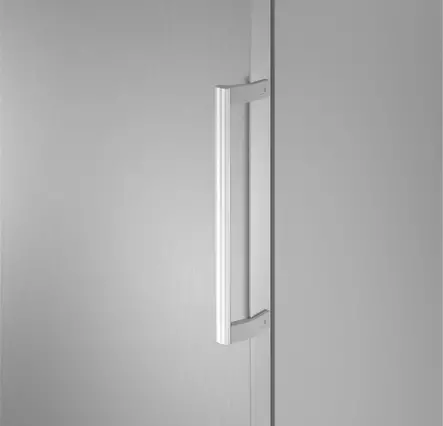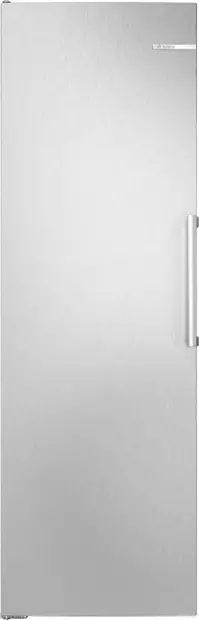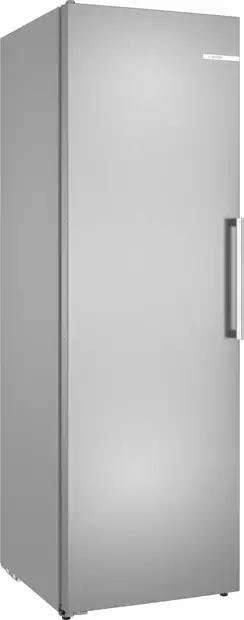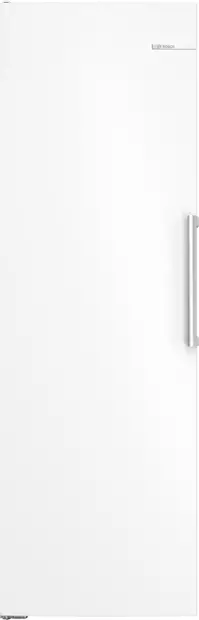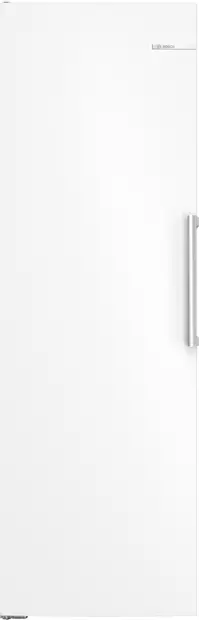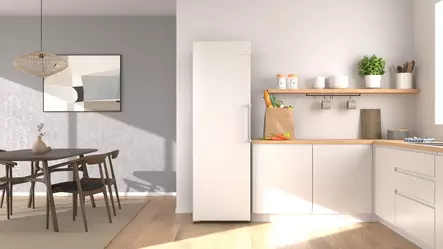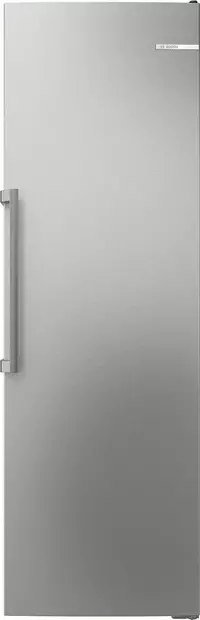


Choosing a cooling appliance starts with whether you need to keep food chilled, frozen or both. A separate fridge and upright freezer each give you a whole cabinet, while a fridge freezer combines them in one cabinet. A chest freezer has room for large batches, a top-freezer fridge suits a home that needs little freezer space, and a side-by-side fridge fits a large household. Flood protection trays and coolers are in accessories.
A good rule for fridge capacity is about 100 litres for the first person and 50 litres for each additional one. The range includes Bosch, Helkama, Siemens and AEG. In towns with a Euronics store we deliver the appliance, set it in place and take away the packaging and your old appliance.


The right cooling appliance depends on your kitchen, household size and how much you store. A refrigerator keeps everyday food fresh, while a freezer adds long-term storage: choose a space-saving upright freezer for easy access, or a chest freezer when you need room for large batches of berries, bread and meat. If space is tight, a fridge-freezer combines both in one unit.
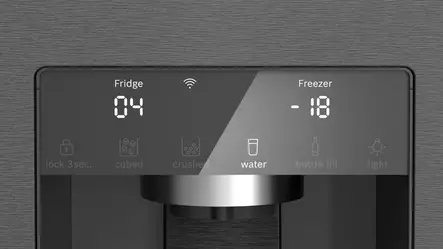
For larger households, roomy side-by-side fridges offer generous capacity, and some models have water and ice dispensers. A top-freezer fridge has its freezer compartment at the top and suits a home that needs little freezer space. Many models feature No Frost technology, which prevents ice build-up so the freezer does not need regular manual defrosting.
A fridge and freezer run around the clock, so compare the energy class and the annual consumption on the energy label (kWh/year) between appliances of the same type and size. The range includes energy classes B–F. Check the capacity in litres, the noise level in decibels and the dimensions so the appliance fits your space and everyday needs.
Have your appliance delivered and set up with our home delivery and installation service. Buying your first fridge or freezer? Our refrigerator buying guide walks you through the key choices. You can also visit your nearest Euronics store and ask our staff for advice.
Consider the size of your household, the space in your kitchen and any specific wishes such as automatic defrost or an ice maker. Our staff will gladly help you pick the right appliance, and you can also order home delivery and installation with removal of the old appliance.
A good rule of thumb is about 100 litres of capacity for one person and 50 litres more for each additional member of the household. If you shop rarely and in large amounts, choose a slightly bigger model. Also measure the width, height and depth of the space, and leave room for ventilation and for the door to open. The most common widths in the range are 60 and 55 cm.
A chest freezer opens from the top and is usually roomier, and cold air stays inside better when the lid is opened. It is well suited to storing large batches such as berries or game. An upright freezer stands vertically, takes less floor space, and its shelves and drawers make it easier to organise and find what you need.
Compare the annual consumption (kWh/year) on the energy labels of appliances of the same type and size. Place the appliance away from heat sources such as an oven or a radiator. Make sure air can circulate behind and beside it. Cool warm food quickly, for example in a cold water bath, before you put it in the fridge or freezer. Check regularly that the door seals are intact and clean.
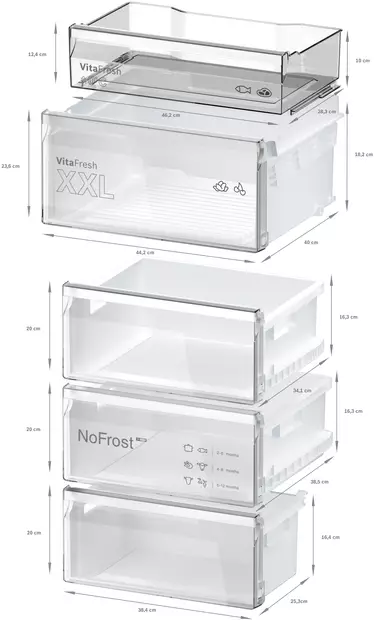
No Frost is an automatic defrost function that prevents ice and frost from building up in the freezer by circulating air. This means you do not have to defrost the freezer by hand on a regular basis. Wrap food tightly, because the circulating air can dry out unprotected frozen food. Choose it if you want to avoid the work of defrosting.
A freezer without automatic defrost should be defrosted at least once a year, or whenever the ice layer is more than half a centimetre thick. A thick layer of ice insulates the cooling surfaces, so the compressor runs longer and uses more electricity.